
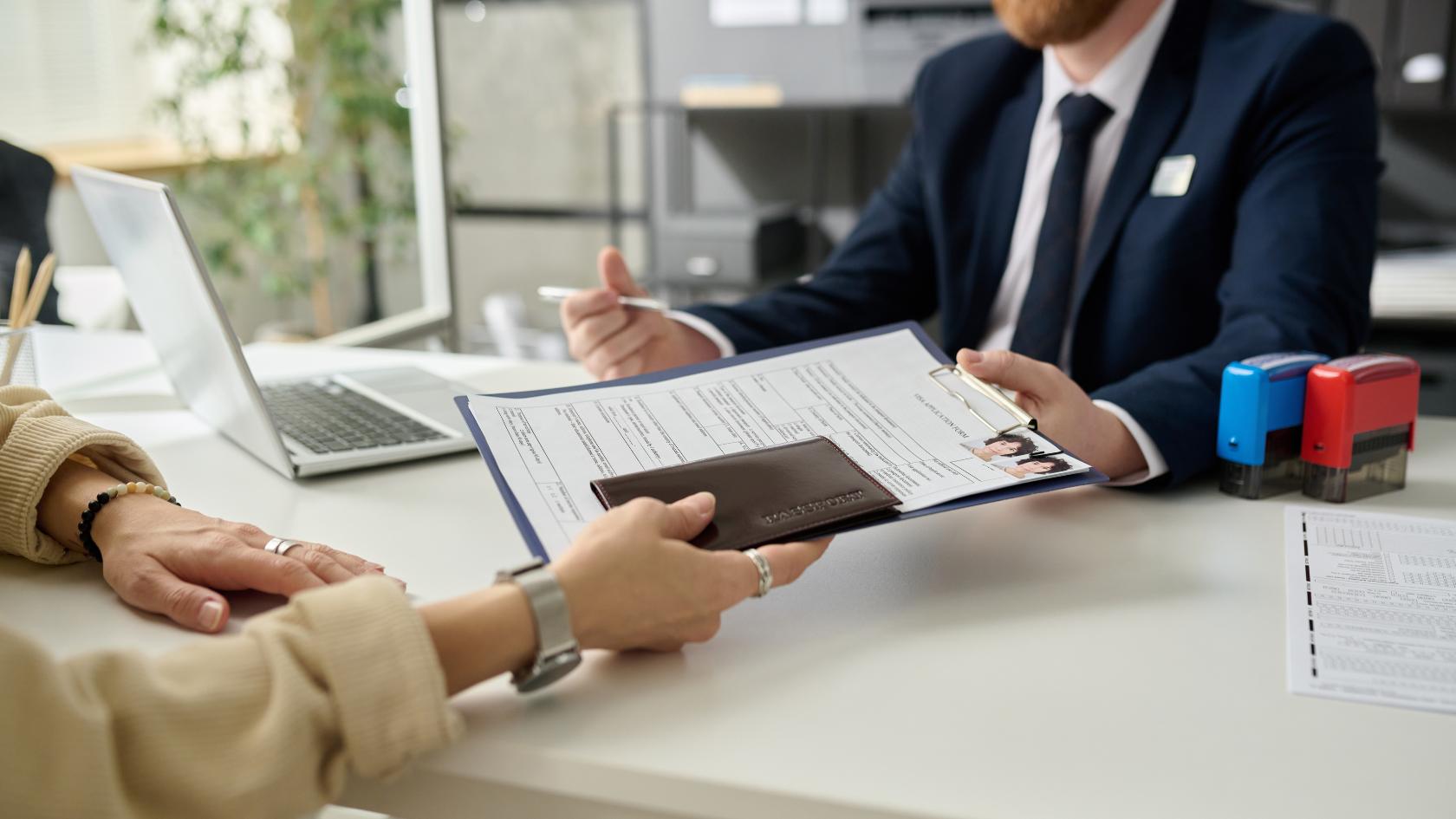
Australia processed more than 9.5 million visa applications in the 2023 to 2024 program year, and a steady share of those files arrive with Egyptian source documents in Arabic. The Department of Home Affairs reads only the English version. Anything in Arabic script reaches the case officer through the translator, which is why a naati certified translation sits at the centre of every Egyptian immigration file that succeeds at first reading.
This guide works through the documents most Egyptian applicants lodge, the realistic time each takes to prepare, the costs involved and the specific issues that send files back. The aim is a clean lodgement, not a second attempt.
Why Egyptian Arabic documents need a different eye
Egyptian civil records mix Modern Standard Arabic with handwritten notations, governorate seals and Coptic calendar dates that sit alongside Gregorian ones. A translator who has only worked on Levantine or Gulf documents can miss the date conversion or transliterate a governorate name in a form Home Affairs does not recognise. Names carry their own difficulty because Egyptian passports and birth certificates often spell the same name three different ways across three documents.
An accredited practitioner reads the original, decides on a single transliteration that matches the passport, and notes any visible seals or stamps in the English output. For applicants searching for full naati certified translation services in Australia, AcudocX provides credentialed Arabic translators who specialise in Egyptian formats.
The seven Egyptian documents most visa applicants submit
Most Egyptian files for partner, skilled and student visas draw from the same set. Knowing what each looks like helps you collect originals before you order translations.
- Computerised birth certificate from the Civil Status Department
- Marriage contract issued by the Ministry of Justice
- Divorce certificate where applicable
- Police clearance from the Egyptian Ministry of Interior
- Academic transcripts and degree from the issuing university
- National ID card showing the 14 digit number
- Family record book for partner and dependent visas
The birth certificate is the document we see most often, and the rules around it line up with general certified translation of birth certificates for any country. Egyptian versions add the wrinkle of the embossed Civil Status seal, which the translator must describe in the English version rather than leave blank.
A realistic timeline from upload to lodgement ready file
Applicants often underestimate how long the translation step takes inside a wider visa timeline. The table below sets out what a typical Egyptian document package looks like across five working days, using AcudocX standard turnaround as the base.
Table 1: Sample timeline for a four document Egyptian package
| Day | Stage | What happens |
|---|---|---|
| Day 0 | Upload | Originals uploaded as clear scans through the secure portal |
| Day 1 | Allocation | Files routed to a naati certified Arabic translator with Egyptian experience |
| Day 2 | Drafting | English translation drafted with seals, stamps and signatures described |
| Day 3 | Review | Independent reviewer checks names against passport and dates against original |
| Day 4 to 5 | Delivery | Certified translation issued digitally with a verification code for the case officer |
Self service extract translations move faster and start from one hour. Full translations for legal use sit at the longer end of the scale. None of these are guaranteed times. They are standard turnarounds that hold for the great majority of files.
Rejection traps we see every month
Rejections rarely come from poor language. They come from small mismatches that an experienced eye catches before lodgement. The next table is drawn from real patterns across Egyptian files prepared in the past two years.
Table 2: Common rejection causes on Egyptian documents
| Issue | Underlying cause | How a credentialed translator fixes it |
|---|---|---|
| Name on translation does not match passport | Three valid transliterations of the same Arabic name | Translator aligns spelling to passport before issuing |
| Date of birth differs by one day | Coptic to Gregorian conversion error | Both calendars cross checked against the original |
| Missing description of seal | Translator left an unreadable stamp blank | Seal noted in English with issuing authority named |
| Wrong governorate spelling | Phonetic transliteration instead of accepted form | Standard Home Affairs spelling applied |
None of these are exotic. They are the day to day fixes that separate a clean Egyptian file from one that returns with a request for further information.
What naati certification actually proves to a case officer
The case officer is not checking the Arabic. They are checking that someone qualified vouched for the English. The Department publishes its rules in plain terms on the official Home Affairs translating documents page, which sets out the credential standard for in country and overseas translators.
A naati stamp tells the officer that the translator has passed national accreditation and accepts professional responsibility for the wording. That single signal short circuits the file from suspicion to acceptance. Migration agents push for it from the first appointment, and our piece on how migration agents assess translated documents explains the reasoning from the agent side of the table.
Cost expectations across the three tiers
AcudocX prices stay fixed regardless of language or country of origin. The same three tiers apply to Egyptian documents as to any other.
- Self service extract translation from $44.95 with turnaround from one hour
- Extract translation from $59.95 with turnaround from one business day
- Full translation from $79.95 with turnaround from two to three business days
A standard partner visa package of four Egyptian documents at extract tier costs around $240 in translation fees. A skilled migration file with academic transcripts and a police clearance at full tier sits closer to $400. These prices are listed on the website and apply across the eight African languages AcudocX supports.
Census and migration context for Egyptian applicants
The Australian Bureau of Statistics 2021 Census recorded close to 38,000 Egypt born residents in Australia, with Arabic spoken at home by more than 367,000 people across all backgrounds. Sydney and Melbourne hold the largest Egyptian communities, with steady growth in Brisbane and Perth over the past decade.
NAATI lists several hundred certified Arabic practitioners across Australia, and applicants can verify a practitioner directly through the official NAATI practitioner directory if they want to confirm a credential before lodgement. The combination of community size and credential availability means Egyptian applicants rarely need to wait for capacity.
Frequently asked questions
Does Home Affairs accept Egyptian translations done in Cairo?
Translations completed overseas must include the translator's full name, address, qualifications and contact details on the translation itself. A naati certified translation completed in Australia removes the need for any of that extra paperwork and is the safer route for most applicants.
Can one translation cover multiple visa applications?
Yes. A certified translation is a permanent document and can be reused for further visa stages, university enrolment or licensing applications as long as the original document has not been reissued in the meantime.
What if my Egyptian document has handwritten notes or amendments?
Handwritten amendments must be translated and described as handwritten in the English version. The translator notes the location and content so the case officer can see exactly what appears on the original.
Do I need to send original physical documents?
Clear colour scans are accepted for translation. Originals stay with you. The certified translation carries its own verification code that the case officer can check independently of the source file.
Lodging with confidence
Egyptian documents reward preparation. Match the names across every file, decide on the right tier for each document, give the translator clear scans and lodge a package that reads cleanly in English. A naati certified translation does the heavy lifting on the language side. Your job is to give the translator a complete and legible original to work from.
Place your order through the AcudocX platform when you are ready. Upload the Egyptian originals, choose the tier and a credentialed Arabic translator takes it from there.